
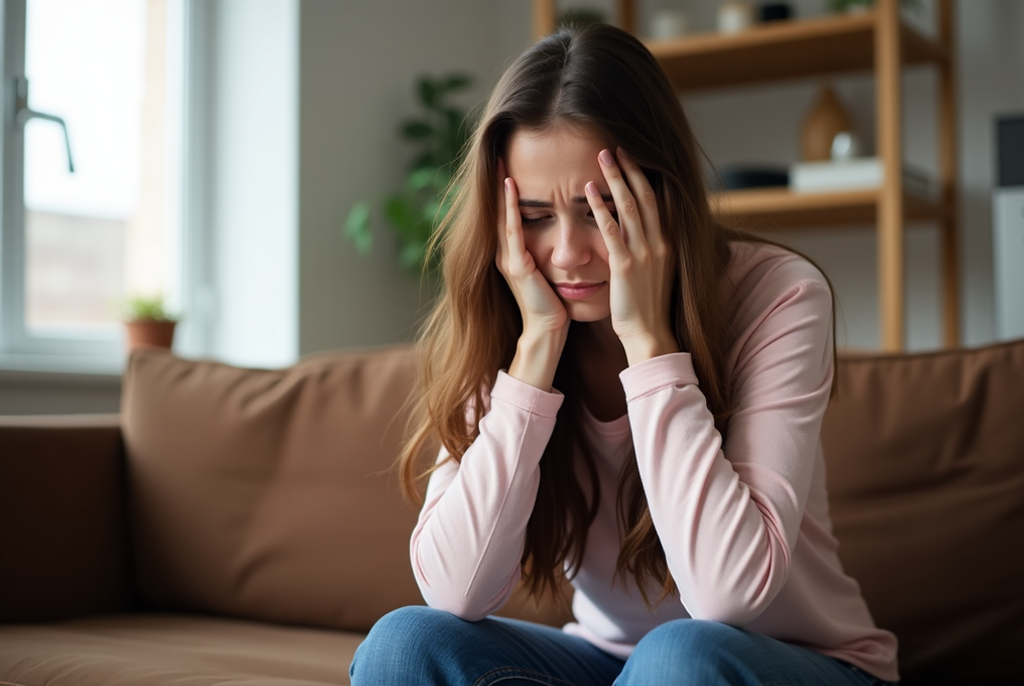
Adjustment Disorder: Coping with Life’s Challenges
Adjustment disorder is a short-term mental health condition that happens when someone has a hard time dealing with a stressful event or major life change. It can lead to strong emotional or behavioral reactions that make daily life difficult.
What Are the Symptoms?
People with adjustment disorder may experience:
- Strong emotions: Feeling sad, anxious, hopeless, angry, or overwhelmed
- Behavior changes: Avoiding friends, skipping responsibilities, or acting out in risky ways
- Struggles in daily life: Trouble at work, school, or in relationships because of stress
What Causes It?
Adjustment disorder can be triggered by:
- Big life changes — like divorce, losing a job, a serious illness, moving, or school stress
- Too much stress at once — even smaller stressors can build up and feel overwhelming
Different Types of Adjustment Disorder
There are a few different ways it can show up:
- With depressed mood – Feeling very down, sad, or withdrawn
- With anxiety – Feeling very nervous, worried, or restless
- With mixed anxiety and depression – A mix of sadness and anxiety
- With behavior problems – Acting out in harmful or reckless ways
- Unspecified – When symptoms don’t clearly fit into one of the above categories
How Is It Diagnosed?
A mental health provider will talk with you about your symptoms and any recent stressful events. They’ll consider how long the symptoms have lasted and how much they affect your daily life.
How Is It Treated?
The good news is that adjustment disorder usually gets better with support and care:
- Medication – Sometimes, short-term use of antidepressants or anti-anxiety medication may be helpful
- Therapy – Talking to a therapist (alone or in a group) can help you learn better ways to cope, manage stress, and feel more in control
What’s the Outlook?
Adjustment disorder is often temporary. Most people start to feel better within a few months, especially with the right support, treatment, and self-care.
