
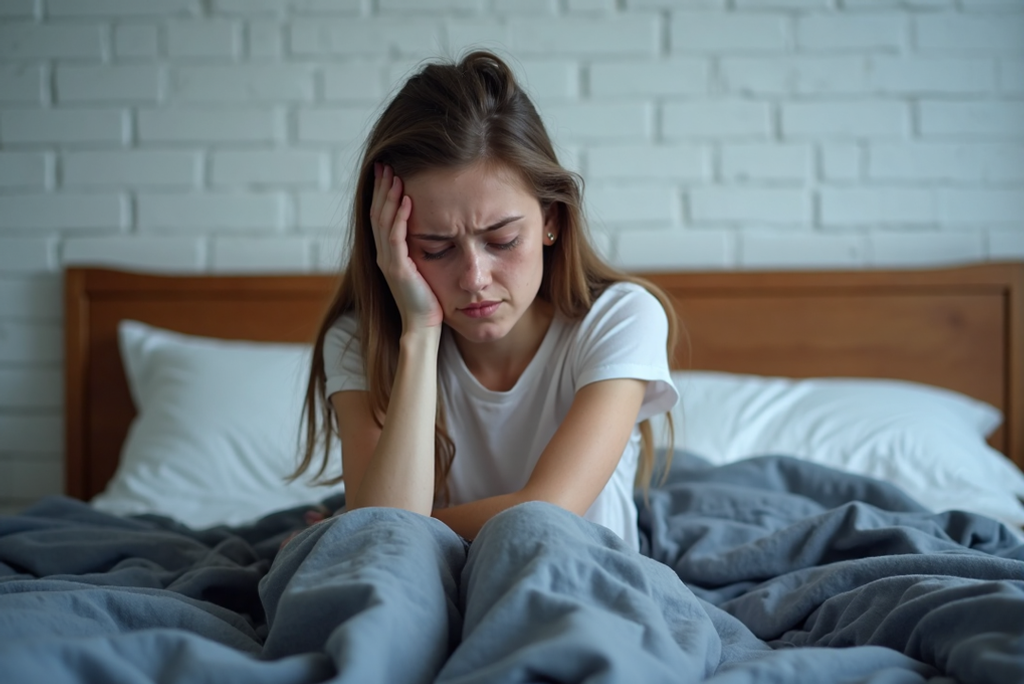
Sleep Disorders: When Sleep Isn’t Restful
Sleep disorders are conditions that make it hard to get good-quality sleep. They can affect how long you sleep, how well you sleep, or when you sleep. Poor sleep can leave you feeling tired during the day and lead to health problems over time.
If sleep is affecting your health, energy, or daily life, you're not alone. Help is available—and restful sleep is possible.
Types of Sleep Disorders
Here are some of the most common types:
- Insomnia – Trouble falling asleep, staying asleep, or waking up too early
- Sleep Apnea – Breathing stops and starts during sleep, which can lead to poor rest and low oxygen levels
- Parasomnias – Unusual behaviors during sleep like sleepwalking, night terrors, or talking in your sleep
- Restless Legs Syndrome (RLS) – A strong urge to move your legs, often with uncomfortable feelings that make it hard to fall or stay asleep
- Narcolepsy – Feeling very sleepy during the day and sometimes suddenly falling asleep
- Circadian Rhythm Disorder – Your internal body clock is off, making it hard to fall asleep or wake up at the right times
Signs You May Have a Sleep Disorder
- Can’t fall asleep or stay asleep
- Feel tired even after sleeping
- Sleepiness during the day
- Mood swings or irritability
- Trouble focusing or remembering things
- Headaches
- Restless legs at night
- Snoring, gasping, or choking during sleep
- Needing naps often
What Causes Sleep Problems?
- Health issues like chronic pain, allergies, or heart problems
- Mental health conditions such as anxiety or depression
- Certain medications
- Shift work or jet lag
- Poor sleep habits like using screens before bed
- Caffeine, alcohol, or other substances
Why Sleep Disorders Matter
Untreated sleep problems can lead to:
- More accidents (like car crashes)
- Trouble thinking clearly or getting work done
- Weakened immune system
- Higher risk of serious health issues like heart disease, diabetes, and stroke
How Are Sleep Disorders Diagnosed?
- Talk with your doctor about your sleep habits and symptoms
- A physical exam may be done
- A sleep study may be recommended to track your breathing, brain activity, and movement while you sleep
How Are Sleep Disorders Treated?
Treatment depends on the type and cause of the problem. Options may include:
- Better sleep habits – like keeping a regular sleep schedule and avoiding screens at night
- Relaxation techniques – such as deep breathing or meditation
- Therapy – to address anxiety or stress that may affect sleep
- Medications – to help with sleep or treat the cause
- CPAP machine – for people with sleep apnea to keep airways open
